When Do Non-Thyroid Neck Lumps Become a Cause for Concern?

Dr Ranjiv Sivanandan
Head & Neck and Thyroid Surgeon
MBBS (Singapore), FRCS (Edinburgh), MMEd (Surgery), FAMS
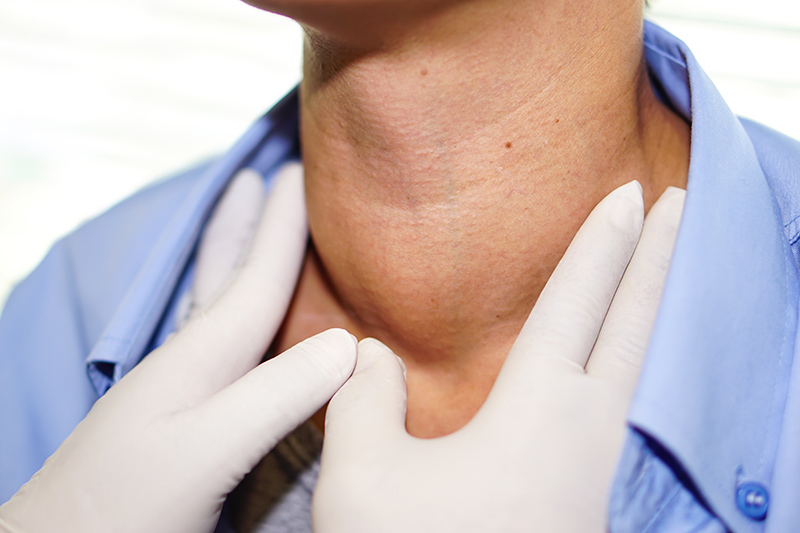
Neck lumps are a common concern and can affect individuals of all ages. While many people immediately associate a lump in the neck with thyroid problems, a significant number of these swellings actually arise from other structures such as lymph nodes, salivary glands or soft tissues. Non-thyroid neck lumps can still reflect underlying infections, chronic conditions or, in some cases, more serious diseases that require timely attention.
For this reason, any persistent or unusual neck swelling should be evaluated by a doctor. Early clinical examination allows for accurate diagnosis, appropriate investigations and, if needed, prompt treatment.
How Do You Know a Lump on Your Neck Is Not Thyroid-Related?
A neck lump refers to any visible or palpable swelling in the neck region. These lumps can arise from different tissues, including lymph nodes, glands, fat, muscle or skin structures.
The thyroid gland is located at the front of the neck, just below the Adam's apple and above the collarbones. Thyroid-related lumps are typically found in this central area and often move upwards when swallowing. In contrast, non-thyroid neck lumps are more commonly located along the sides of the neck, under the jaw or behind the ears, depending on the structure involved.
For example, enlarged lymph nodes are usually felt along the sides of the neck, while salivary gland swellings may appear near the jawline or below the ears. Soft, slow-growing lumps under the skin may suggest benign growths such as lipomas or cysts. The location, consistency and behaviour of the lump can provide useful clues, but these features alone are not enough to make a definitive diagnosis.
It is important to note that many non-thyroid neck lumps are not serious, especially when they are related to infections, benign or temporary conditions. However, self-diagnosis can be unreliable, as different conditions may present in similar ways. Visiting a doctor and receiving an assessment is always the safest way to handle medical symptoms.
When Do Neck Lumps Become Concerning?
There are certain features of neck lumps that may raise concern and warrant prompt medical evaluation. Paying close attention to symptoms is important for the sake of identifying when you need further assessment.
You should seek medical attention if you notice any of the following:
- Lumps persist for more than 2–3 weeks
- Lumps experience a rapid increase in size
- Hard, fixed or immovable lump
- Difficulty swallowing or breathing
- Unexplained weight loss
- Persistent hoarseness or voice changes
These signs do not necessarily mean that the lump is serious, but they do increase the likelihood of an underlying condition that requires timely diagnosis.
Common Non-Thyroid Causes of Neck Lumps
Non-thyroid neck lumps can arise from a variety of structures in the neck, each with different underlying causes. These range from temporary, self-limiting conditions such as infections to more persistent or serious conditions that require medical treatment.
Swollen Lymph Nodes (Lymphadenopathy)
Swollen lymph nodes are one of the most common causes of neck lumps. Lymph nodes are part of the body's immune system and can enlarge in response to infections such as colds, throat infections or dental issues.
These lumps are often tender, slightly movable and may appear suddenly. In many cases, they reduce in size once the underlying infection resolves. However, lymph nodes that remain enlarged, continue to grow or are painless may require further evaluation.
Infections and Abscesses
Bacterial or viral infections can lead to localised swelling in the neck. In some cases, this may progress to an abscess, which is a collection of pus.
These lumps are typically painful and may be associated with redness, warmth, fever or general unwellness. Abscesses can enlarge relatively quickly and often require medical treatment, such as antibiotics or drainage.
Benign Growths
Benign, non-cancerous growths can also present as neck lumps. Common examples include lipomas, which are soft, fatty lumps beneath the skin, and cysts, which are fluid-filled sacs.
These are usually slow-growing, painless and mobile. While they are generally not harmful, they may still need assessment to confirm the diagnosis and to rule out other conditions.
Salivary Gland Conditions
The salivary glands, located around the jaw and below the ears, can become swollen due to infections, blockages such as salivary stones or, less commonly, tumours.
Patients may notice swelling that worsens during meals, as well as discomfort or dryness in the mouth. Persistent or recurrent swelling of the salivary glands should be evaluated by a doctor.
Tumours
Tumours in the neck may be benign or malignant. These can arise from lymph nodes, salivary glands or other tissues, or may represent the spread of cancer from nearby areas such as the throat or mouth.
Lumps caused by tumours are often painless, firm and may feel fixed in place. They are more likely to be a concern if they persist, gradually increase in size or are associated with other symptoms such as unexplained weight loss, difficulty swallowing or voice changes.

Seeking Early Specialist Evaluation for Neck Lumps
If you notice a lump on your neck that does not improve, changes in size or is accompanied by symptoms like difficulty swallowing or unexplained weight loss, seeking medical evaluation is an important next step. Early assessment ensures that potential concerns are identified and addressed before they progress.
At the Thyroid Head and Neck Surgery Centre, care is centred on accurate diagnosis and personalised treatment planning tailored to each individual's condition. Dr Ranjiv Sivanandan, our Head & Neck and Thyroid Surgeon, provides focused evaluation of neck lumps and various other conditions using a structured and evidence-based approach, ensuring clarity and reassurance throughout the process.
If you have concerns or are experiencing persistent symptoms, contact us today to arrange a consultation and receive the care you need.
Meet Our Thyroid Specialist in Singapore
Dr Ranjiv Sivanandan
Head & Neck and Thyroid Surgeon
MBBS (Singapore), FRCS (Edinburgh), MMEd (Surgery), FAMS
Dr Ranjiv Sivanandan is an accredited general surgeon with a dedicated focus on thyroid and complex head and neck surgery. With over two decades of experience, he has managed a wide range of conditions, including thyroid nodules, thyroid cancer and other head and neck disorders.
Dr Ranjiv is recognised for his expertise in advanced surgical techniques, particularly in robotic thyroid and head and neck surgery. He performed the first robotic thyroidectomy in Singapore and the first robotic neck dissection in Southeast Asia, reflecting his commitment to minimally invasive approaches and surgical innovation. His clinical work is complemented by involvement in research and education, including roles at the National Cancer Centre and the National University of Singapore.
In his clinical practice, Dr Ranjiv adopts a patient-centred approach, ensuring that each individual is fully informed of evidence-based treatment options and actively involved in decision-making. His focus is on delivering personalised care and achieving optimal outcomes for every patient.