What Happens During a Thyroid Surgery Consultation
Dr Ranjiv Sivanandan
Head & Neck and Thyroid Surgeon
MBBS (Singapore), FRCS (Edinburgh), MMEd (Surgery), FAMS
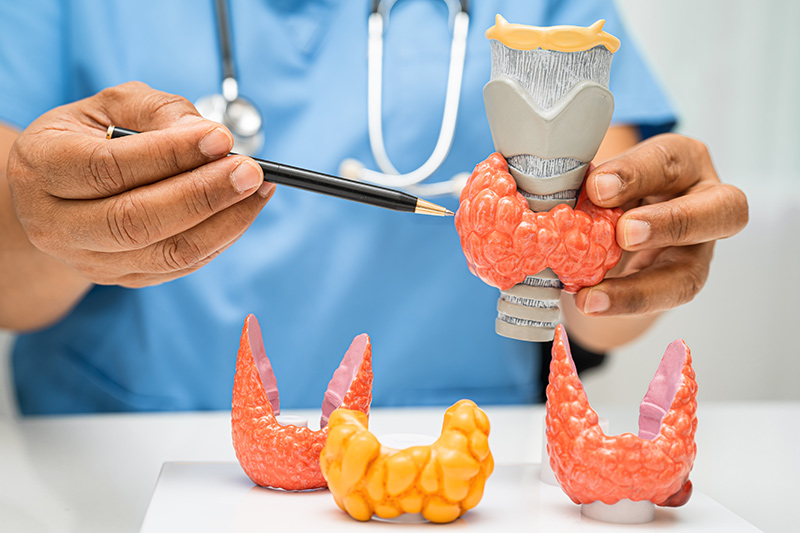
Often, a thyroid surgery consultation is recommended after your doctor learns that something is abnormal. It could be a thyroid nodule detected during an ultrasound scan, abnormal hormone levels or the results of a biopsy that needs further evaluation. These findings can raise important questions about medical procedures you may need to undergo.
At this stage, you may not even be sure if surgery is necessary. You might simply be looking for clearer answers, a second opinion or reassurance about what your diagnosis actually means. A thyroid surgery consultation is intended to provide that clarity. Rather than rushing into treatment decisions, it focuses on carefully reviewing your condition, explaining your results in detail and guiding you through the most appropriate next steps.
Why You May Be Referred for a Thyroid Surgery Consultation
A referral for a thyroid surgery consultation does not always mean that surgery is required. Instead, it allows a specialist to assess whether surgical treatment is appropriate based on your condition, symptoms and test results.
Common thyroid conditions that may require further evaluation include:
- Thyroid Nodules: Discrete lumps within the thyroid gland that may be benign or, less commonly, cancerous. Larger nodules often require further assessment.
- Goitre: An enlarged thyroid gland that may cause visible neck swelling, discomfort or compressive symptoms such as difficulty swallowing.
- Hyperthyroidism: A condition where the thyroid is overactive, producing excess hormones. Surgery may be considered if medications are ineffective or not well-tolerated.
- Suspected Thyroid Cancer: Abnormal biopsy or imaging findings that raise concern for potentially cancerous growths.
A consultation may also be recommended based on certain clinical findings or changes over time, such as:
- Increase in size of a thyroid nodule
- Development of symptoms such as difficulty swallowing, breathing or a persistent sensation of pressure in the neck
- Voice changes, including hoarseness
- Abnormal or fluctuating thyroid hormone levels despite medication
- Ultrasound features that appear suspicious
In the event that these signs, symptoms and diagnoses are present, your doctor may recommend that you attend a surgery consultation.
What to Prepare Before Your Appointment
Preparing for your thyroid surgery consultation can help ensure that the session is as thorough and productive as possible. Bringing the right information allows your surgeon to make an accurate assessment and provide clearer recommendations.
You should bring along any relevant medical records, including blood test results, thyroid function tests, ultrasound reports and biopsy findings if available. If you have undergone scans at different centres, having a complete set of reports helps provide a clearer picture of how your condition has progressed over time.
It is also helpful to prepare a brief history of your symptoms, including when they started, whether they have changed and any triggers or patterns you have noticed.
During Your Consultation
During the consultation itself, your surgeon will take a structured and step-by-step approach to assess your condition. This typically involves understanding your symptoms in detail, reviewing your medical background and performing a focused examination of your thyroid before discussing the next steps.
-
Reviewing Your Symptoms and Medical History
Your consultation will usually begin with a detailed discussion of your symptoms and medical background. Surgeons will likely ask about any subtle symptoms such as neck discomfort, swallowing difficulties, voice changes or signs related to thyroid hormone imbalance.
This step is important because your symptoms, together with your medical history, help guide the overall assessment and determine whether further investigation or treatment is needed.
-
Physical Examination of the Thyroid
A focused physical examination of your neck will then be performed. This involves gently feeling the thyroid gland to assess its size, shape and the presence of any nodules or swelling.
Your surgeon may also check for tenderness, mobility of the lump and whether there are any enlarged lymph nodes in the surrounding areas. In some cases, you may be asked to swallow during the examination to observe how the thyroid moves.
-
Imaging and Minimally Invasive Tests
In addition to the physical examination, imaging and minimally invasive tests play a key role in evaluating thyroid conditions. A neck ultrasound is commonly used to provide a detailed view of the thyroid gland and surrounding structures. It helps assess the size, number and characteristics of any nodules, as well as identify features that may appear benign or suspicious.
If further evaluation is needed, an ultrasound-guided fine needle aspiration biopsy (FNAB) may be recommended. This procedure involves using a thin needle to collect a small sample of cells from the thyroid nodule under ultrasound guidance. It is typically performed in a clinic setting and does not require surgery.
The results of FNAB can help determine whether a nodule is benign, indeterminate or suspicious for cancer, which is crucial in deciding whether surgery is necessary or if the condition can be safely monitored.
These findings, combined with your test results, help form a more complete understanding of your condition and guide the next steps in management.
Determining Whether Thyroid Surgery is Necessary
Once a diagnosis has been established, the next step is to examine your results and determine whether surgery is the most appropriate form of treatment.
-
Interpreting Your Test Results
Your doctor will go through your test results in detail and explain what they mean in the context of your condition. This may include thyroid function blood tests to assess hormone levels, ultrasound findings to evaluate the size and characteristics of nodules and biopsy results to determine whether any abnormal cells are present.
-
Discussing Thyroid Surgery
Thyroid surgery may be recommended if there is a confirmed or suspected cancer, if nodules are large or increasing in size or if they are causing symptoms such as difficulty swallowing, breathing or voice changes. It may also be considered in cases where hyperthyroidism cannot be adequately controlled with medication.
In addition, surgery is often advised when biopsy results are suspicious or indeterminate, meaning cancer cannot be confidently ruled out. In such cases, removing part or all of the thyroid allows for a definitive diagnosis and appropriate treatment.
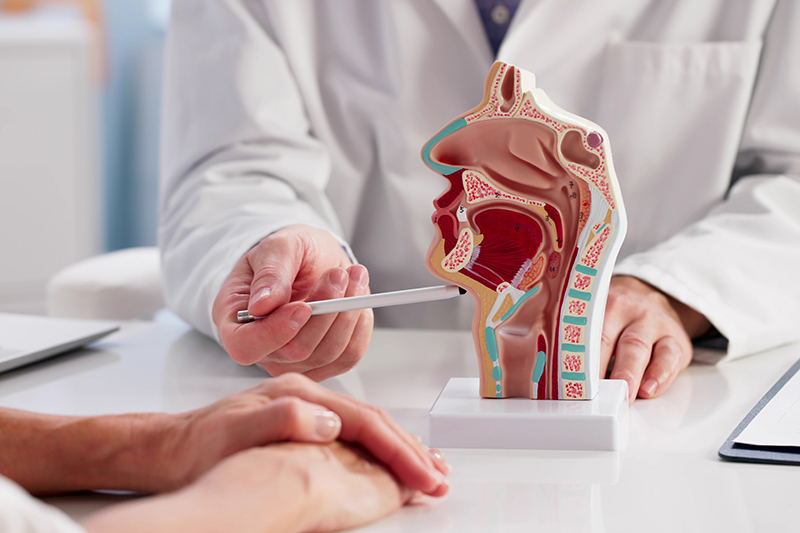
Why Early Specialist Consultation Matters
Early evaluation by a qualified surgeon allows for accurate diagnosis and timely management of thyroid conditions. Delaying assessment may lead to progression of symptoms or complications, especially in cases where surgery is recommended.
Ultimately, the decision to proceed with surgery is based on a combination of factors, including your diagnosis, test results, symptoms and personal preferences. Led by an experienced specialist, a comprehensive consultation ensures that all treatment options are carefully explained and tailored to your condition.
At the Thyroid Head & Neck Surgery Centre, we provide thorough, patient-focused consultations supported by detailed evaluation and clear explanations at every step. Care is led by Dr Ranjiv Sivanandan, an accredited general surgeon who is experienced in thyroid and head & neck surgery, with expertise in diagnosing and treating conditions involving the lymph nodes.
If you have been advised to consider thyroid surgery or are experiencing persistent thyroid-related symptoms, contact our clinic today to schedule a consultation and take the next step towards appropriate care.
Meet Our Thyroid Specialist in Singapore
Dr Ranjiv Sivanandan
Head & Neck and Thyroid Surgeon
MBBS (Singapore), FRCS (Edinburgh), MMEd (Surgery), FAMS
Dr Ranjiv Sivanandan is an accredited general surgeon with a dedicated focus on thyroid and complex head and neck surgery. With over two decades of experience, he has managed a wide range of conditions, including thyroid nodules, thyroid cancer and other head and neck disorders.
Dr Ranjiv is recognised for his expertise in advanced surgical techniques, particularly in robotic thyroid and head and neck surgery. He performed the first robotic thyroidectomy in Singapore and the first robotic neck dissection in Southeast Asia, reflecting his commitment to minimally invasive approaches and surgical innovation. His clinical work is complemented by involvement in research and education, including roles at the National Cancer Centre and the National University of Singapore.
In his clinical practice, Dr Ranjiv adopts a patient-centred approach, ensuring that each individual is fully informed of evidence-based treatment options and actively involved in decision-making. His focus is on delivering personalised care and achieving optimal outcomes for every patient.