What Does a Thyroid Specialist Do?
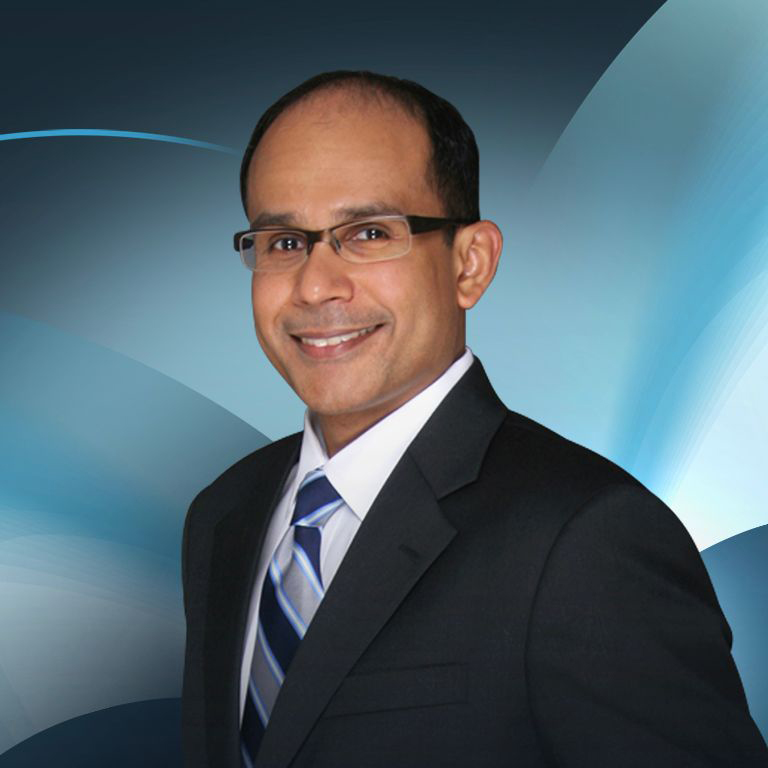
Dr Ranjiv Sivanandan
Head & Neck and Thyroid Surgeon
MBBS (Singapore), FRCS (Edinburgh), MMEd (Surgery), FAMS
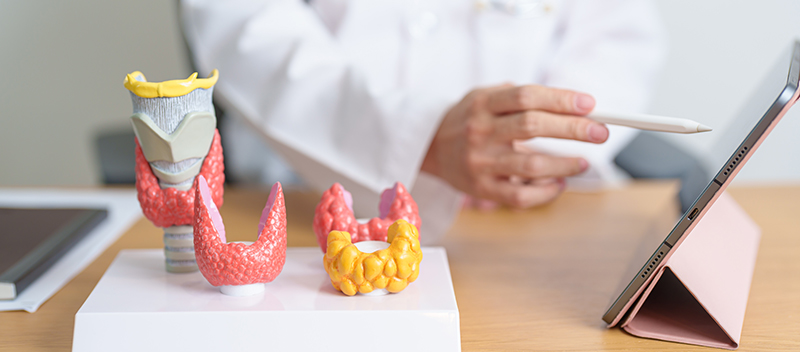
A thyroid specialist is a doctor trained to diagnose and manage conditions affecting the thyroid gland. This gland is a small organ in the neck that regulates metabolism, energy levels and hormonal balance. Thyroid specialists evaluate symptoms such as neck swelling, voice changes, unexplained weight changes and fatigue, and use targeted investigations to identify underlying disorders of the thyroid.
Thyroid specialists are experienced in detecting symptoms of many common thyroid-related conditions, ranging from hormonal imbalances to abnormal growths and even cancer. They also provide appropriate treatment based on the condition, which may include medication, regular monitoring or surgical intervention to restore thyroid function and address underlying issues.
What Conditions Do Thyroid Specialists Treat?
Some common thyroid conditions treated by thyroid specialists are:
Hypothyroidism and Hyperthyroidism
Hypothyroidism occurs when the thyroid gland produces insufficient hormones, leading to fatigue, weight gain and cold sensitivity. This causes a person's metabolism to slow down.
Conversely, hyperthyroidism involves the overproduction of hormones, resulting in rapid weight loss, rapid heartbeat and anxiety.
Thyroid specialists work to restore hormonal balance in these patients in order to resolve these ongoing effects.
Thyroid Nodules and Goitres
Thyroid nodules are abnormal growths or lumps within the thyroid gland. While the majority are benign, it is important to secure a clinical evaluation to rule out malignant growths.
Goitres refer to an enlargement of the thyroid gland, which may present as a visible swelling at the front of the neck. They can develop due to iodine deficiency, hormonal imbalances or underlying thyroid conditions such as hyperthyroidism or hypothyroidism. While some goitres may not cause symptoms, others can lead to discomfort, swallowing difficulties or breathing issues if they become large.
Autoimmune Thyroid Diseases
Autoimmune thyroid diseases occur when the body's immune system mistakenly attacks the thyroid gland, affecting its ability to produce hormones normally. The two most common conditions are Hashimoto's thyroiditis, which can lead to an underactive thyroid, and Graves' disease, which causes an overactive thyroid. Symptoms may include fatigue, weight changes, mood disturbances and sensitivity to temperature.
Management by thyroid specialists focuses on regulating hormone levels through medication and ongoing monitoring to maintain stability and prevent complications.
Thyroid Cancer
Thyroid cancer develops when abnormal cells in the thyroid gland grow uncontrollably. It may present as a painless lump in the neck, sometimes accompanied by voice changes or difficulty swallowing.
A thyroid specialist will assess suspicious nodules using imaging and biopsy to confirm the diagnosis. Treatment often involves surgical removal of part or all of the thyroid gland, and may be followed by radioactive iodine therapy or hormone replacement. With early detection and appropriate care, outcomes for many types of thyroid cancer are highly favourable.
What Tests and Assessments Do Thyroid Specialists Perform?
To arrive at an accurate diagnosis, a thyroid specialist utilises a combination of physical assessments, laboratory work and imaging technologies to identify the specific nature of a thyroid disorder. These include:
Blood Tests
Blood tests measure levels of thyroid-stimulating hormone (TSH), thyroxine (T4) and triiodothyronine (T3) to evaluate thyroid function. Antibody tests may also be conducted to identify autoimmune conditions.
Thyroid Ultrasound
This non-invasive imaging technique provides a detailed visualisation of the gland's structure, allowing doctors to detect nodules, cysts and other abnormalities.
Fine Needle Aspiration Biopsy (FNAB)
If a suspicious nodule is identified, a specialist may perform an FNAB. This involves inserting a thin needle into the nodule to extract cells for microscopic examination, helping to distinguish between benign and malignant growths.
Thyroid Scan (Radioactive Iodine Uptake Test)
This nuclear medicine test involves the patient swallowing a small amount of radioactive iodine. A special camera then measures how much iodine the thyroid absorbs from the bloodstream, helping to determine the cause of hyperthyroidism.
How Does a Thyroid Specialist Treat Thyroid Conditions?
Once the underlying condition is identified, the specialist formulates a tailored treatment plan. This may involve:
Active Monitoring
For benign or low-risk thyroid conditions, the specialist may recommend regular monitoring rather than immediate intervention. This typically includes periodic clinical reviews, ultrasound scans and blood tests to track any changes in the thyroid gland or hormone levels.
Medication
Medications are commonly used to regulate thyroid hormone levels in conditions such as hypothyroidism and hyperthyroidism. Treatment may also include drugs to control symptoms, with ongoing adjustments based on response and regular blood test results.
Radioactive Iodine Therapy
Radioactive iodine therapy is used to treat certain thyroid conditions, particularly hyperthyroidism and some types of thyroid cancer. It works by selectively targeting and reducing overactive or abnormal thyroid tissue while minimising effects on surrounding structures.
Thyroid Surgery
Surgical treatment may be recommended for conditions such as large goitres, symptomatic nodules or confirmed thyroid cancer. Depending on the diagnosis, the procedure may involve removing part of the thyroid (lobectomy) or the entire gland (total thyroidectomy), with a focus on preserving surrounding nerves and structures for optimal function and recovery.
Not all thyroid conditions require immediate intervention. Small, benign nodules or mild hormonal irregularities may be managed through regular clinical surveillance and support. This involves regular check-ups, blood tests and ultrasounds to monitor for any changes over time.

Getting the Right Thyroid Care in Singapore
Recognising the role of a thyroid specialist is an important step towards seeking the right support for your health. If you are experiencing symptoms of thyroid conditions such as persistent fatigue, unexplained weight changes, neck swelling or hormonal imbalances, it may be appropriate to seek a professional evaluation.
A thyroid specialist can provide a thorough assessment, accurate diagnosis and a personalised treatment plan tailored to your condition. Early consultation may help manage symptoms more effectively and support better long-term outcomes.
At the Thyroid Head and Neck Surgery Centre, care is led by Dr Ranjiv Sivanandan, an experienced Head & Neck and Thyroid Surgeon with a focus on the diagnosis and surgical management of thyroid conditions. Patients are able to receive comprehensive evaluations and personalised care based on their individual needs.
If you have concerns about your thyroid health or require further evaluation, contact us to schedule an appointment and discuss our available treatment options.
Meet Our Specialist
Dr Ranjiv Sivanandan is an accredited general surgeon with clinical experience in thyroid, parathyroid, parotid and major head and neck surgery, supported by further training in Head and Neck Surgical Oncology at Stanford University. He is a Visiting Consultant at Singapore General Hospital and an Adjunct Associate Professor at the Yong Loo Lin School of Medicine, National University of Singapore. His clinical interests include robotic thyroid and head and neck procedures.
In his clinical practice, Dr Ranjiv adopts a patient-centred approach, ensuring that each individual is fully informed of evidence-based treatment options and actively involved in decision-making. His focus is on delivering personalised care and achieving optimal outcomes for every patient.