How a Thyroid Specialist Investigates Abnormal Thyroid Test Results
Dr Ranjiv Sivanandan
Head & Neck and Thyroid Surgeon
MBBS (Singapore), FRCS (Edinburgh), MMEd (Surgery), FAMS
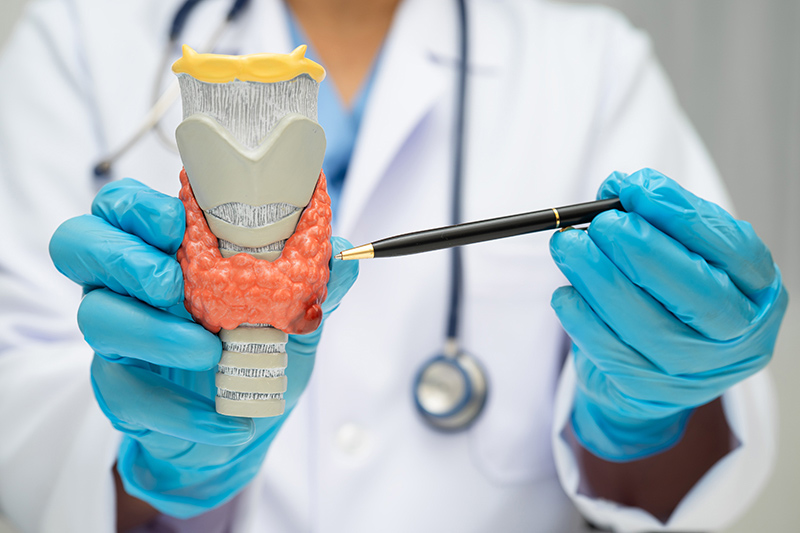
Receiving abnormal thyroid test results can be concerning, particularly if you're unsure what they mean or what to do next. While thyroid blood tests can indicate that something may be affecting thyroid function, they do not always identify the underlying cause. A thyroid specialist is often able to interpret your test results along with your symptoms, medical history and physical symptoms, in order to reach an accurate diagnosis and determine whether treatment or monitoring is needed.
If you are looking for a thyroid specialist in Singapore, understanding the diagnostic process and knowing what to expect during your assessment can make the journey towards an accurate diagnosis much clearer.
What Can Abnormal Thyroid Test Results Indicate?
Abnormal thyroid test results suggest that thyroid hormone levels or thyroid signalling may be outside the expected range. However, the results do not always show the exact cause on their own. They need to be interpreted in context, including your symptoms, medical history and any factors that may temporarily affect thyroid hormone levels.
The main thyroid blood test markers include thyroid-stimulating hormone (TSH), free thyroxine (Free T4) and, in some cases, free triiodothyronine (Free T3). Different patterns may point towards different thyroid conditions.
For example:
- A high TSH with a low Free T4 may suggest an underactive thyroid, known as hypothyroidism.
- A low TSH with a high Free T4 or Free T3 may suggest an overactive thyroid, known as hyperthyroidism.
- Mild or borderline abnormalities may need repeat testing to determine whether the change is persistent or temporary.
In some cases, thyroid blood test abnormalities do not reflect a primary thyroid disorder. Certain medications, acute illnesses and temporary physiological changes may alter thyroid hormone levels, making careful clinical interpretation important before confirming a diagnosis.
Abnormal results may also be influenced by factors such as recent illness, pregnancy, certain medications, supplements or thyroid inflammation. This is why the next step is not simply reading the numbers, but understanding why they are abnormal.
How a Thyroid Specialist Investigates Abnormal Thyroid Test Results
A thyroid specialist investigates abnormal thyroid test results by looking at the full clinical picture rather than interpreting the blood test in isolation. This helps determine whether the results are caused by a thyroid disorder, a temporary change or another factor affecting hormone levels.
The assessment usually includes a review of your symptoms, medical history, examination findings and, where needed, further tests.
Checking Whether Your Symptoms Match the Test Results
Your specialist will ask about symptoms that may suggest an underactive or overactive thyroid. These may include:
- Fatigue
- Weight changes
- Heat or cold intolerance
- Changes in heart rate
- Tremors
- Bowel changes
- Hair or skin changes
- Neck swelling or discomfort
The timing and pattern of symptoms matter. Symptoms that have developed gradually, worsened over time or appeared alongside abnormal blood results may provide useful clues about the underlying cause.
Reviewing Medical Factors That Could Affect Thyroid Function
Your specialist will also review factors that may explain or influence the abnormal results. These may include:
- Previous thyroid disorders
- Family history of thyroid disease
- Autoimmune conditions
- Pregnancy or recent childbirth
- Current medications or supplements
- Previous radiation exposure involving the head or neck
This step helps distinguish between thyroid disease and other causes of abnormal or fluctuating thyroid hormone levels.
Performing a Physical Examination
A physical examination helps identify signs that may not be clear from blood tests alone. Your specialist may assess the size and shape of the thyroid gland, check for thyroid nodules, look for neck swelling or tenderness, and examine for signs linked to thyroid hormone imbalance.
They may also check features such as heart rate, blood pressure, reflexes or signs of thyroid eye disease, depending on your symptoms and test results.
What Additional Tests May Be Recommended?
Further tests may be recommended when the cause of the abnormal result is unclear, when the abnormality persists, or when there are symptoms or examination findings that need closer assessment.
Repeat Thyroid Blood Tests
Repeat blood tests may be used to confirm whether the abnormal result is persistent or temporary. This is especially useful for mild or borderline abnormalities, or when recent illness, medication changes or other factors may have affected the first result.
Repeat testing may also include additional thyroid hormone measurements that were not performed initially.
Thyroid Antibody Tests
Thyroid antibody tests can help identify whether an autoimmune thyroid condition is contributing to the abnormal results. These tests may support the diagnosis of conditions such as Hashimoto's thyroiditis or Graves' disease when interpreted alongside thyroid hormone levels and clinical findings.
Thyroid Ultrasound
A thyroid ultrasound may be recommended if there is thyroid enlargement, neck swelling, thyroid nodules or structural concerns. Unlike blood tests, ultrasound assesses the physical structure of the thyroid gland rather than hormone production.
Depending on your individual situation, your specialist may recommend further tests such as thyroid scans, fine needle aspiration biopsy of selected nodules or other investigations when clinically appropriate.
Not every patient requires these tests. The decision depends on your symptoms, examination findings and earlier investigation results.
How Is a Diagnosis Confirmed After These Thyroid Tests?
A diagnosis is confirmed by considering all of the information gathered during your assessment rather than relying on a single test result. Your thyroid specialist interprets your blood test results alongside your symptoms, medical history, physical examination and any additional investigations to determine whether a thyroid disorder is present and identify its underlying cause.
For many patients, this information is sufficient to diagnose conditions such as hypothyroidism, hyperthyroidism or autoimmune thyroid disease. If the findings are inconclusive or the abnormalities are mild, repeat blood tests or follow-up assessments may be recommended to monitor changes over time before confirming a diagnosis.
Once the diagnosis is established, your specialist can recommend the most appropriate treatment or monitoring plan based on your individual condition and overall health, possibly including medication or thyroid surgery.

Seeking Expert Assessment for Abnormal Thyroid Test Results
Receiving abnormal thyroid test results can leave you with questions about what the findings mean and whether further investigation is needed. A comprehensive assessment by a thyroid specialist helps place your test results into context by considering your symptoms, medical history, physical examination and any additional investigations. This allows the underlying cause to be identified and ensures any treatment or monitoring recommendations are tailored to your individual needs.
At Thyroid Head & Neck Surgery Centre, we provide comprehensive diagnostic assessment for patients with abnormal thyroid test results, including clear interpretation of findings and additional investigations when required. Care is led by Head & Neck and Thyroid Surgeon Dr Ranjiv Sivanandan, who takes an evidence-based approach to interpreting abnormal thyroid test results and identifying their underlying cause. Based on a comprehensive clinical assessment, he develops an individualised management plan while helping patients understand their condition and treatment options with confidence.
If you have received abnormal thyroid test results or are experiencing symptoms that may be related to a thyroid condition, schedule a consultation with our team to determine the underlying cause and discuss the most appropriate next steps.
Frequently Asked Questions About Abnormal Thyroid Test Results
Meet Our Specialist
Dr Ranjiv Sivanandan is an accredited general surgeon with clinical experience in thyroid, parathyroid, parotid and major head and neck surgery, supported by further training in Head and Neck Surgical Oncology at Stanford University. He is a Visiting Consultant at Singapore General Hospital and an Adjunct Associate Professor at the Yong Loo Lin School of Medicine, National University of Singapore. His clinical interests include robotic thyroid and head and neck procedures.
In his clinical practice, Dr Ranjiv adopts a patient-centred approach, ensuring that each individual is fully informed of evidence-based treatment options and actively involved in decision-making. His focus is on delivering personalised care and achieving optimal outcomes for every patient.