Are Thyroid Nodules Serious? When to Get a Specialist Check-Up

Dr Ranjiv Sivanandan
Head & Neck and Thyroid Surgeon
MBBS (Singapore), FRCS (Edinburgh), MMEd (Surgery), FAMS
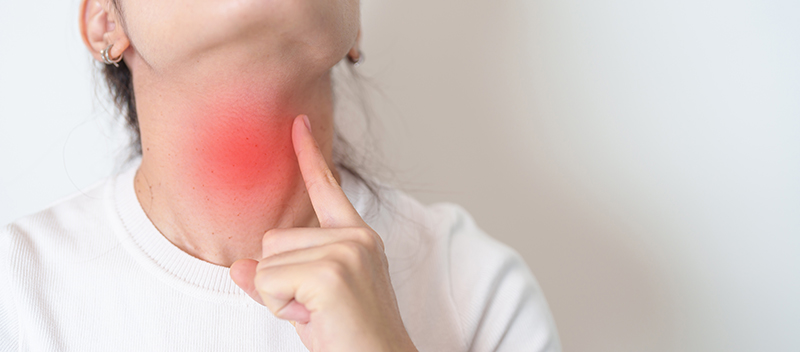
The vast majority of thyroid nodules are benign, meaning that they are not serious and do not pose a health risk. A full assessment and diagnosis of these lumps is still necessary for peace of mind, but they do not pose a danger in most cases.
However, in some cases, thyroid nodules may be associated with certain symptoms or changes that warrant closer evaluation. Recognising when a specialist check-up is needed can help ensure that any underlying concerns are identified early and managed appropriately.
What Are Thyroid Nodules?
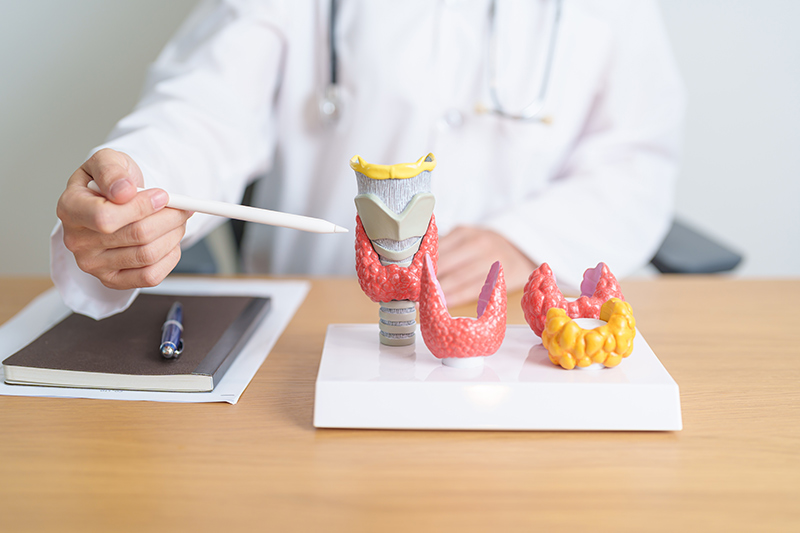
Thyroid nodules are abnormal growths or lumps that develop within the thyroid gland, which is located at the front of the neck. They can vary in size and number, with some people having a single nodule while others may have clusters of them.
These nodules can form for different reasons, including fluid-filled cysts, overgrowth of normal thyroid tissue or, less commonly, cancerous changes. Larger nodules may become visible from the outside, causing a swelling in the neck, as well as potential discomfort, difficulty swallowing or a sensation of pressure.
When Are Thyroid Nodules Concerning?
Thyroid nodules become concerning when they are accompanied by symptoms such as:
- Rapid swelling or growth of lumps in the neck
- Persistent pain or discomfort in the neck or throat
- Difficulty swallowing or a sensation of something being stuck in the throat
- Difficulty breathing, especially when lying down
- Hoarseness or changes in the voice
Additionally, some individuals may have a higher risk of having more serious thyroid nodules. This includes people who:
- Have a family history of thyroid cancer or thyroid disease
- Are under 20 or over 60 years of age
- Are male, as thyroid nodules in men carry a slightly higher risk of malignancy
- Have experienced thyroid nodules in the past
Recognising these warning signs and risk factors can help guide timely evaluation and ensure that any concerning nodules are properly assessed.
What Are Some Potentially Serious Causes of Thyroid Nodules?
Two of the more serious causes of thyroid nodules are overactive thyroid conditions and thyroid cancer.
Overactive Thyroid Conditions
Some thyroid nodules develop as a result of overactive thyroid tissue. This happens when part of the thyroid gland grows abnormally and produces thyroid hormones without responding to the body's usual control signals. Thyroid nodules caused by this condition are "hot" or overactive, meaning that they cause excess thyroid hormones to be produced.
Over time, this can lead to hyperthyroidism, where thyroid hormone levels become too high. Because these nodules can affect the body's metabolism and heart function, they may require medical treatment.
Thyroid Cancer
A small percentage of thyroid nodules may be cancerous. These nodules are often painless and may not cause noticeable symptoms in the early stages, which is why medical evaluation is important when a nodule is detected.
Features that may raise concern include a rapidly growing lump, a hard or fixed nodule or associated symptoms such as persistent hoarseness or difficulty swallowing. Early detection of thyroid cancer allows for timely treatment and more favourable survival outcomes.
How Does a Specialist Diagnose and Treat Thyroid Nodules?
During a medical evaluation, a thyroid specialist will attempt to discover the nature of a thyroid nodule and whether any treatment is required. They will make use of diagnostic methods to guide appropriate management, and may move on to surgical methods if needed.
How Are Thyroid Nodules Diagnosed?
Diagnosis typically begins with a detailed clinical assessment. This may include:
- Physical examination, where the doctor checks the size, texture and mobility of the nodule
- Ultrasound imaging, which provides a clear view of the thyroid gland and helps identify any suspicious features
- Fine-needle aspiration biopsy to collect cells from the nodule for further analysis
- Blood tests to assess thyroid hormone levels and overall thyroid function
These investigations help determine whether a nodule is benign or requires further attention.
What Are the Treatment Options for Thyroid Nodules?
When a thyroid nodule is found to be abnormal or cancerous, thyroid surgery is often the primary treatment. This may involve removing part or all of the thyroid gland, depending on the extent and nature of the condition.
The treatment approach is carefully tailored based on the diagnosis, size of the nodule and whether it has spread. Early and appropriate intervention helps reduce the risk of complications and improves overall outcomes.
Recovery after thyroid surgery is typically fast, with many patients discharged the next day. They are usually able to speak and swallow normally, experience only mild discomfort and remain fully mobile and independent.
Seeking Timely Specialist Evaluation for Thyroid Nodules
Although thyroid nodules are benign in most cases, it is still important to recognise when they may signal a deeper concern. Changes in their behaviour and development, such as rapid growth, persistent discomfort or difficulty swallowing, should not be overlooked. Timely evaluation allows for accurate diagnosis and appropriate management of symptoms by a thyroid specialist.
At the Thyroid Head and Neck Surgery Centre, patients receive focused evaluation and tailored treatment planning designed around their specific needs. Dr Ranjiv Sivanandan, our Head & Neck and Thyroid Surgeon, leads the assessment of thyroid nodules with a structured and evidence-based approach, helping patients understand their condition clearly and confidently.
If you have noticed a lump in your neck or are experiencing ongoing symptoms, contact us today to arrange a consultation and take the first step towards informed and appropriate care.
Frequently Asked Questions (FAQs) About Thyroid Nodules
Meet Our Thyroid Specialist in Singapore
Dr Ranjiv Sivanandan
Head & Neck and Thyroid Surgeon
MBBS (Singapore), FRCS (Edinburgh), MMEd (Surgery), FAMS
Dr Ranjiv Sivanandan is an accredited general surgeon with a dedicated focus on thyroid and complex head and neck surgery. With over two decades of experience, he has managed a wide range of conditions, including thyroid nodules, thyroid cancer and other head and neck disorders.
Dr Ranjiv is recognised for his expertise in advanced surgical techniques, particularly in robotic thyroid and head and neck surgery. He performed the first robotic thyroidectomy in Singapore and the first robotic neck dissection in Southeast Asia, reflecting his commitment to minimally invasive approaches and surgical innovation. His clinical work is complemented by involvement in research and education, including roles at the National Cancer Centre and the National University of Singapore.
In his clinical practice, Dr Ranjiv adopts a patient-centred approach, ensuring that each individual is fully informed of evidence-based treatment options and actively involved in decision-making. His focus is on delivering personalised care and achieving optimal outcomes for every patient.